Cooking is an act of hope.
I stand by that, and here’s why.
When we think of hope, we’re quick to imagine how we would feel in the last waning strands of optimism. We think hope is only useful when an impending outcome will be less than satisfying. We think hope is there to save us from living in the worst case scenario.
We think hope is a last resort.
What we don’t think is that hope is frying an onion or thawing some chicken thighs or marinating vegetables or sliding a tin of batter into the oven and perhaps, at face value, for good reason. Typically, cooking is an act of sustenance and hope is an act of desperation. The space between them is wide. However, I’ve been cooking for so long now that I am confident the gap between them is not so wide at all.
Because, like cooking, hope is simply to live in the optimistic possibility of what could come next.
Let me tell you about a ziplock bag of mine.
It sits in the door of my freezer. It is so full and swollen that the zip is almost broken. It contains lovely, hopeful things. The ragged and stripped bones of a chicken carcass, the frilly white tops and spindly green legs of spring onions, the long, jade fingers of the used fennel bulb, orange ribbons of carrot shavings, skinny parsley stalks, nubs of garlic as small as fingernails, all thrown into the bag with the intention of another life.
Every meal I make potentially adds another item to the collection, and eventually, when the bag is almost ready to burst, it is upended into a stockpot. It’s covered in tap water, peppercorns, and maybe a bay leaf because why not. We live in hope, of course. A switch is flipped, a sleeping mask is pressed over my eyes and the stockpot is left to cook while I sleep. It feels like the world spins around the stockpot for hours and hours and hours as it perfumes the planet with a warm, comforting, savoury smog.
When I am awake, the golden pool of liquid that now fills the bowl, having pulled all sorts of flavours from the pots contents, is stirred with the promise of future soups, stews, risottos, pasta sauces, and other wonderful things.

The bag would never be filled if there was no hope of those wonderful things tomorrow.
You see, the meals that come from that stock existed long before the bag of ingredients. They form, like semi-precious particles, in my imagination and when the first peeling of carrot or slither of onion or nub of garlic is dropped into a new bag, I am already anticipating the joyful, life-sustaining and satisfying meals that haven’t been cooked yet. It’s a gentle potency, but it’s never not there, in the base of my consciousness, reassuring me that good things wait for me when I’m ready.
That’s hope.
It’s a confidence and a belief that a wish can come true, and in that space of wild optimism, can you experience true joy, because so much of joy can be felt in its anticipation.
Think of your holiday. Let’s say you’re going to Greece, because Greece is gorgeous and I’m going there in September, so please indulge me in this exercise. You’re not going until September but it has been booked since March. That’s six months, almost half a year, for hope to pour through you. Close your eyes. Let’s go there together.
(Except don’t close your eyes, because I need you to read what comes next, but you know what I mean…)
You’re in Greece. Imagine pressing a bare foot into bleach-white, warm sand while the sun runs along the soft skin of your face. Imagine lowering yourself into a crystal-glistening sea, rolling across your body like liquid turquoise. Imagine walking back to the hotel, your skin a patchwork of sea salt and coconut SPF, your eyes slightly drowsy, desperate for a nap in the air-con so you can wake in time to watch the sunset from your balcony. The wine is already in the fridge. Imagine putting on your new holiday clothes, spraying the new perfume on your neck, and stepping into the hotel lift. Nestled in a nearby cliffside village, a taverna waits for you, where the bread is endless, the seafood is fresh, the wine is crisp, and the waiter has never been happier to see you. The night is coming to an end and your skin is tanned, your stomach is full, and your lips are playfully parting into a small smile because you know the hotel pillow is as soft as a whisper, and tomorrow, you get to do it all over again.
However, the reality is, you’re not in Greece.
Remember, that’s six months away. You’re not in Greece at all, you’re actually at your desk emailing HR about payroll, the coffee is cold, the meeting is longer than it ever needed to be, and 5pm seems a million miles away. It’s way too early to get the suitcases down from the attic, you’ve googled restaurants in [Greek town] so often it not auto types itself, and you actively convincing yourself that you shalll not be someone who posts holiday countdowns on Instagram. So, instead, all you can do, is wait.
But for those few moments, those ones where you were in the sand, in the sea, in the taverna, in the air con… you were not in Greece and you were not actually at your desk.
You were in hope.
And wasn’t it beautiful?
I feel the exact same about cooking.
Cooking to me will forever feel like an opportunity to live in the endlessness of hope and possibility. Something as plain and simple as a roast chicken is, something to eat, of course, but I can also, for a moment, forget about work emails and the cold coffee and the looming 5pm and the suitcases in the attic, and be reassured by the simple joy of anticipation.
Of course, there’s usually a Sunday dinner at play with a roast chicken, perhaps, but there’s also sandwiches as thick as bricks loaded with crunchy leaves and never-too-much mayonnaise eaten in the garden. There’s shredded chicken breasts spiced to within an inch of their existence and fried with onions to be folded between soft tortillas for taco night. There’s the leftover chicken thigh meat stripped and used for parts in a yolky-mustardy Caesar salad, with hand torn bread croutons salvaged from the end of a crusty loaf; saved by the hope of yet another promise of a new life.
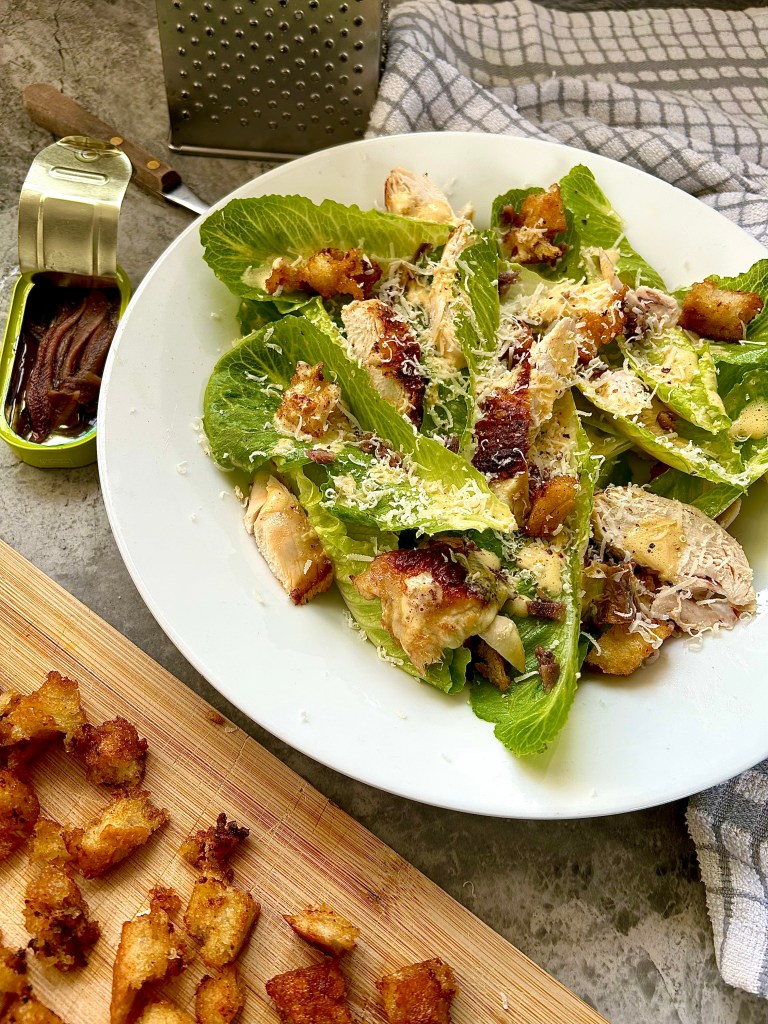
Of course, there’s the bones kept for the bag in the freezer, always there waiting for me, and I know as I try to zip the damn thing back together that the magic just keeps going. On and on and on and on we cook with the anticipation of what could be, and that’s why I believe that everything we can learn in a kitchen is a metaphor for a lesson we can learn outside of it.
When I wrote my memoir, How an Egg Changed My Life, I was almost embarrassed at how little cooking wisdom I was able to feature in it. Not because I couldn’t or wasn’t allowed, but with memoir, life must take the front seat and food must take the back. I’ve been writing recipes and cooking for well over a decade and have so many valuable teachings I’d like to share about food, cooking, and eating, but unfortunately, a memoir can only be so many things at once. I couldn’t tell the story truthfully and honestly, if my focus was to help you be a better cook.
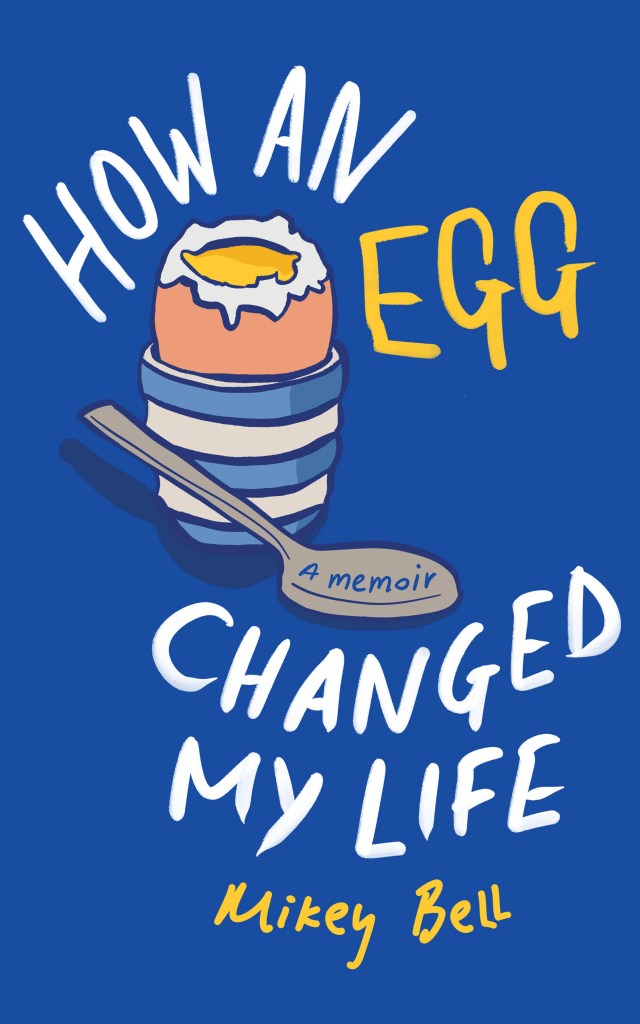
Instead, I wanted to explore how anything you can learn in a kitchen is equally as valuable outside of it, and in looking at cooking as an act of hope, I think this is one of the most important lessons you can learn.
So much of living has to be enjoyed in the moment, and there’s a part of me that wants to be consistent with wellbeing blogs and Instagram accounts that tell you the importance of being present and in the moment and mindful and so on. Yesterday has passed, and tomorrow hasn’t happened, and so you must only focus on what is happening right now.
And yeah, sure, okay, this is true, but also… how about… no?
I’ll whisper it so that none of the wellbeing huns come for me but… sometimes, just for a moment, it’s fine to live in the future.
For me, I want to get lost in what can be. Sometimes, I just want to totally lose myself in the excitement of what could possibly happen, and what it could taste like, what it could smell like, what it could feel like, and to think of nothing other than what it means to me to want it so badly. I want to live in that net of hope for as long as I can because guess what… rarely is anything ever as good as we hoped.
That’s not being pessimistic and anticipating that an experience won’t be great, it likely will be, but sh*t happens. Meat goes dry. Mayonnaise splits. Bread goes gluey. Ragu’s can be bland. If you’ve read my memoir, you know what can happen to cake…
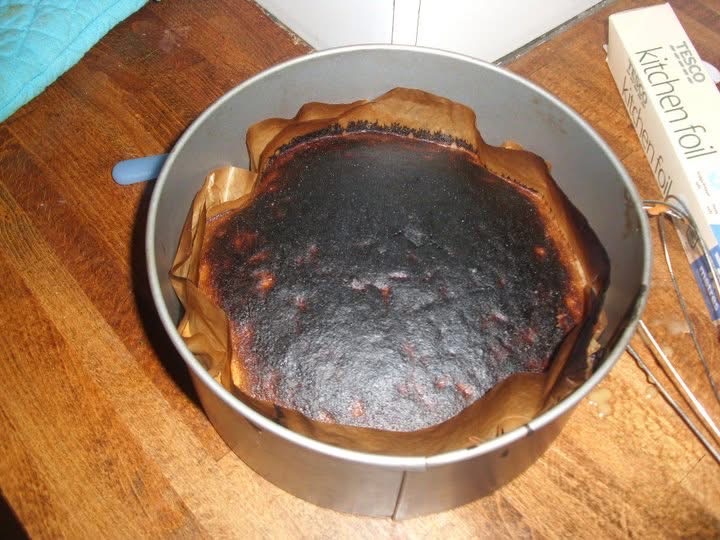
Disappointment is more fleeting that anticipation, so why can’t we indulge ourselves in the hope for as long as we can?
It’s hard to distinguish anything as truly finished when we live this way. Particularly with cooking. Recipes are not then designed to just bee formal instructions of how to get a meal on the table, but can act like those wonderful kinds of WhatsApp conversations you have with a friend where you never really say hello or goodbye. It’s just a continuum of practice; one ingredient informing another, in a beautiful hoop of living where you can use time as a space to savour all of life’s small, potential joys that come with the process of cooking.
The flour, water, yeast, and other bits will mixed together to create a dough which was stashed away overnight? Well, we can live in excitement that this will become focaccia…
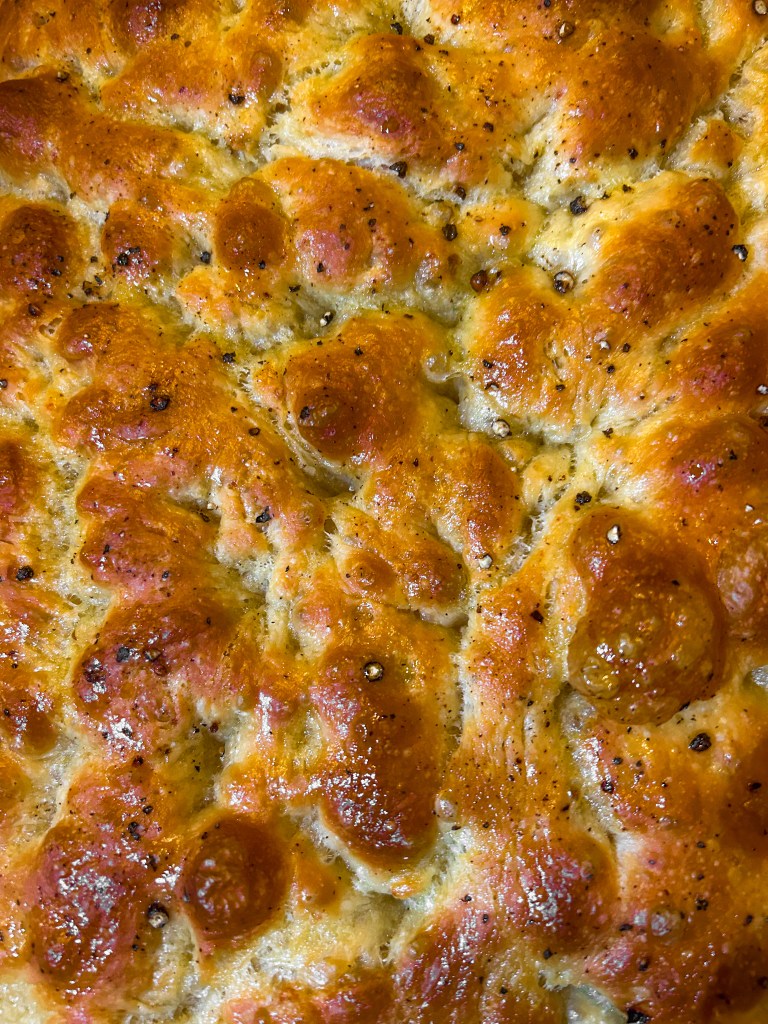
Or the bananas we bought on a whim because we told ourselves we’ll lead healthier lives, are sometimes left to get soft and black. Well, guess what? That’s banana bread in waiting for when your friend pops over on the weekend for a coffee…
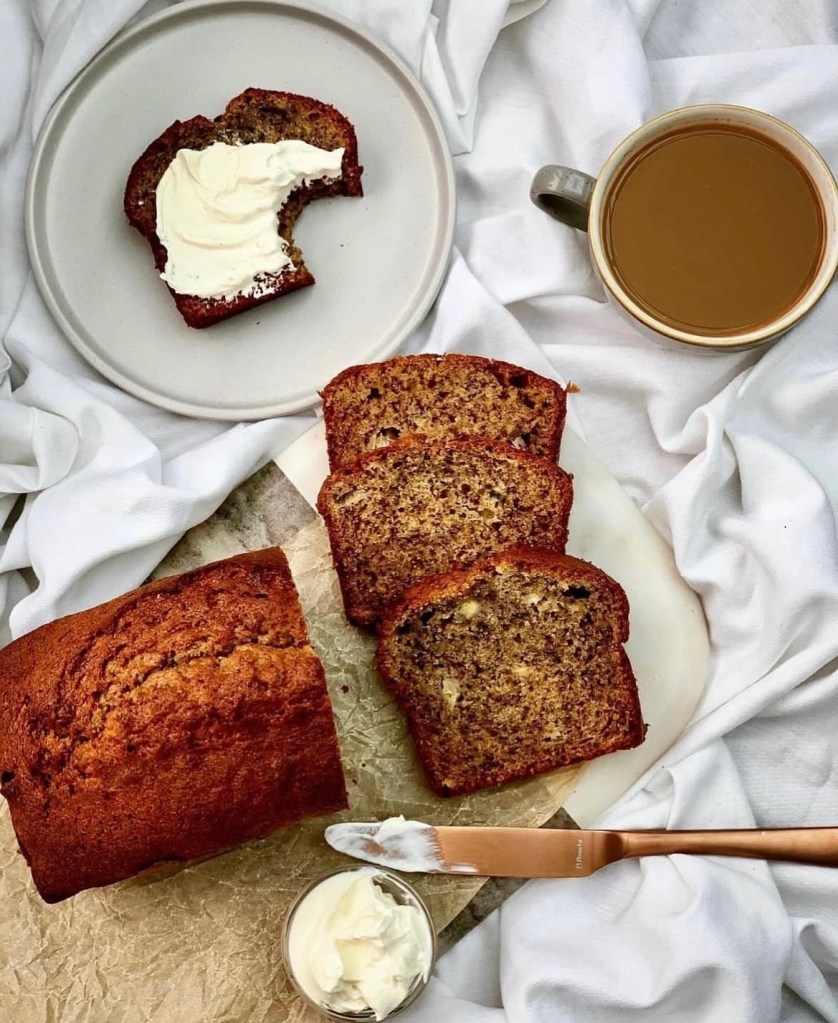
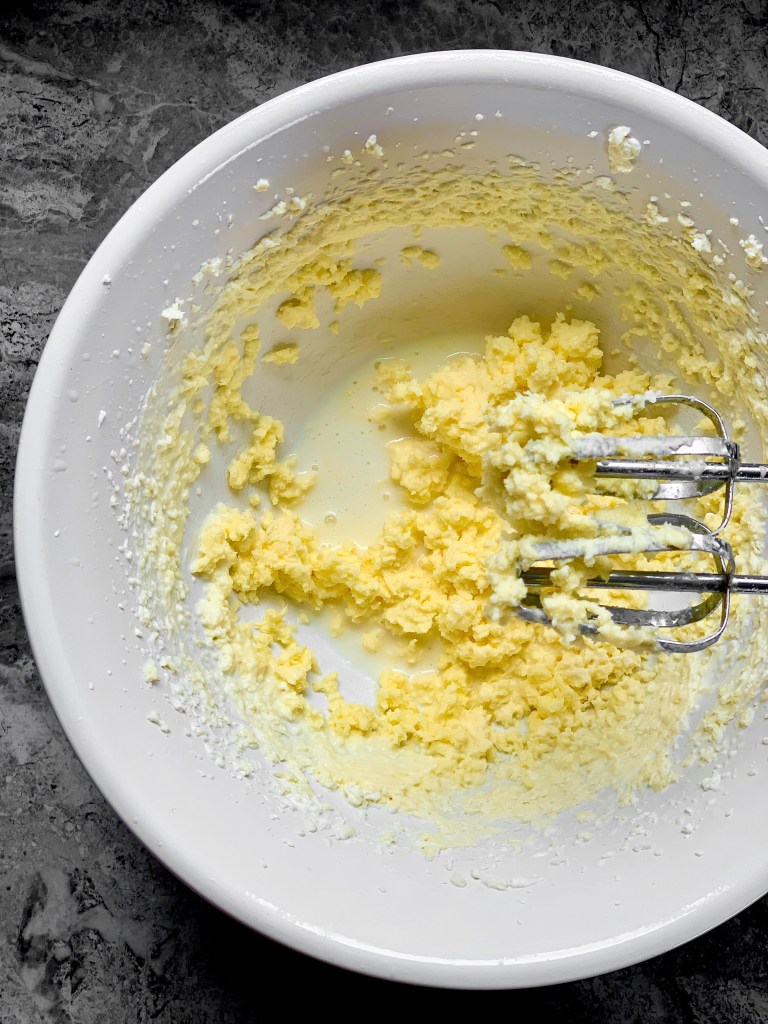
That cream in the fridge that you only needed a dribble for? Well, that can also be butter…
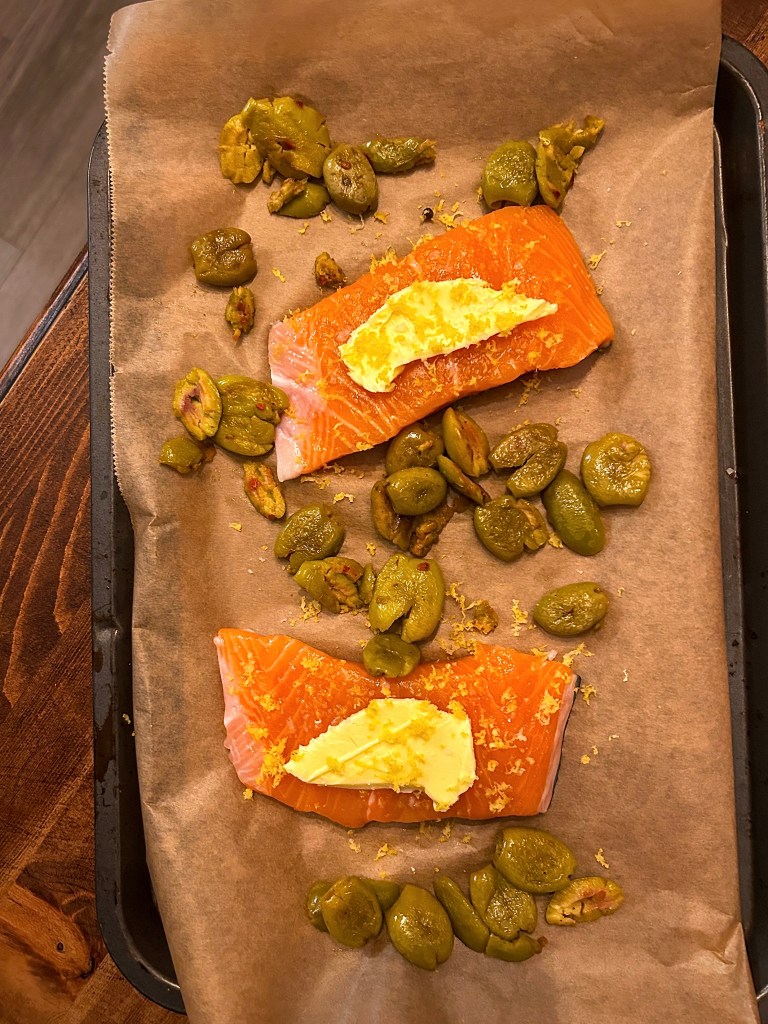
And that butter can flavour a salmon…
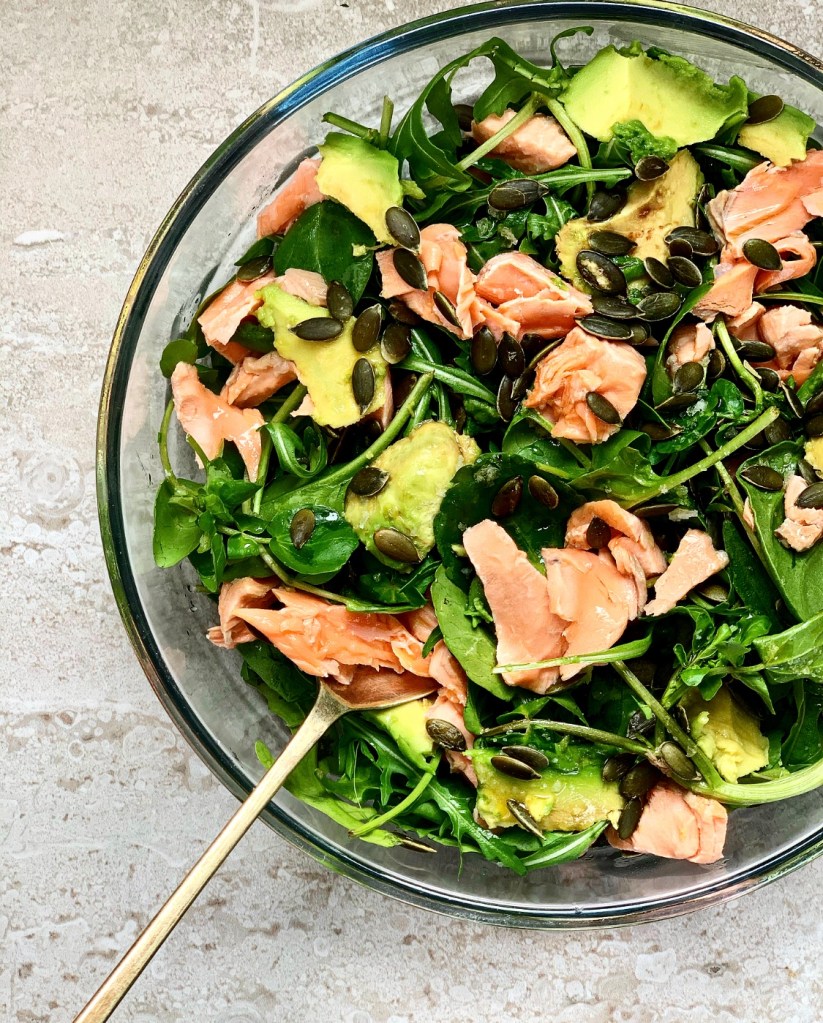
And any leftover salmon can become a salad…
And that’s hope, because right there in that space, we must give ourselves permission to believe in magic. When you see cooking this way, it’s really hard to see that anything in life is truly finished. Nothing exists on its own, everything is in conversation with each other, itself, with you, and with life, and I think that’s the relationship I want people to have with food. That’s more important to me than anything else.
Because these recipes, these concepts, these ideas, only want you to believe in a kind of magic where ingredients become meals and anticipation becomes a reality. It requires two things, and that is patience and the willingness to look at the ordinary and choose to see something beautiful.
That’s what’s kept me cooking, and then writing about it, for so long.
I may not have made the stock yet or thawed the chicken thighs or grated the carrot or cut the onion and sure, the flight to Greece may still be a few months away still (but who’s counting?) and you know what? That’s okay. I’m fine if these these things come tomorrow, because I have learned to savour in the deliciousness of imagining them today.
And that, I believe, is what hope is all about.


Leave a Reply